Kirjoittaja: Huirui
Päivämäärä: Jul 08, 2026
Kuinka paljon painoa muovinen taitettava pöytä kestää? Kannettava ja ulkoiluopas
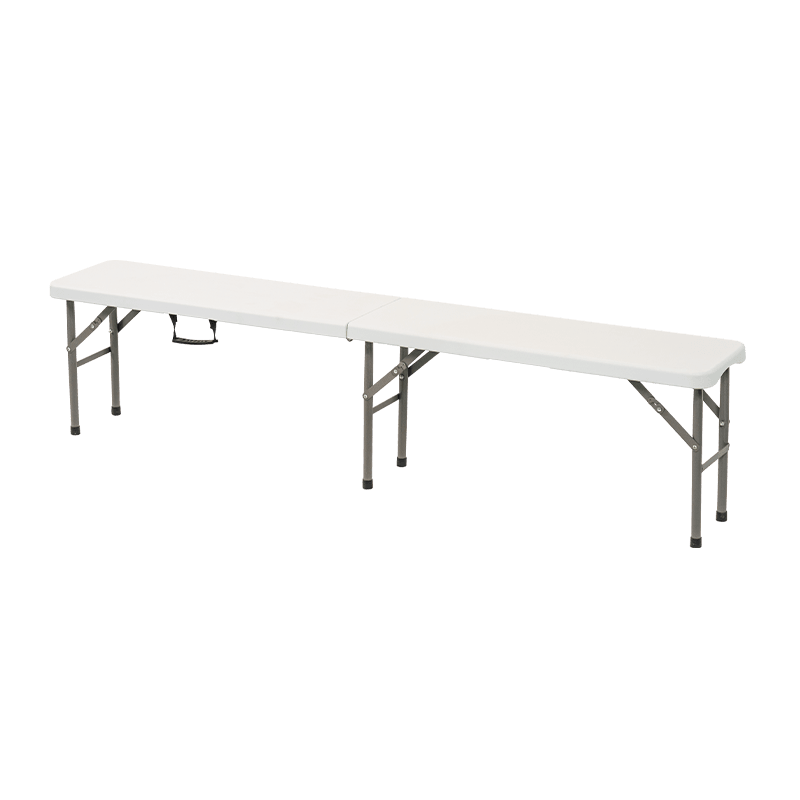
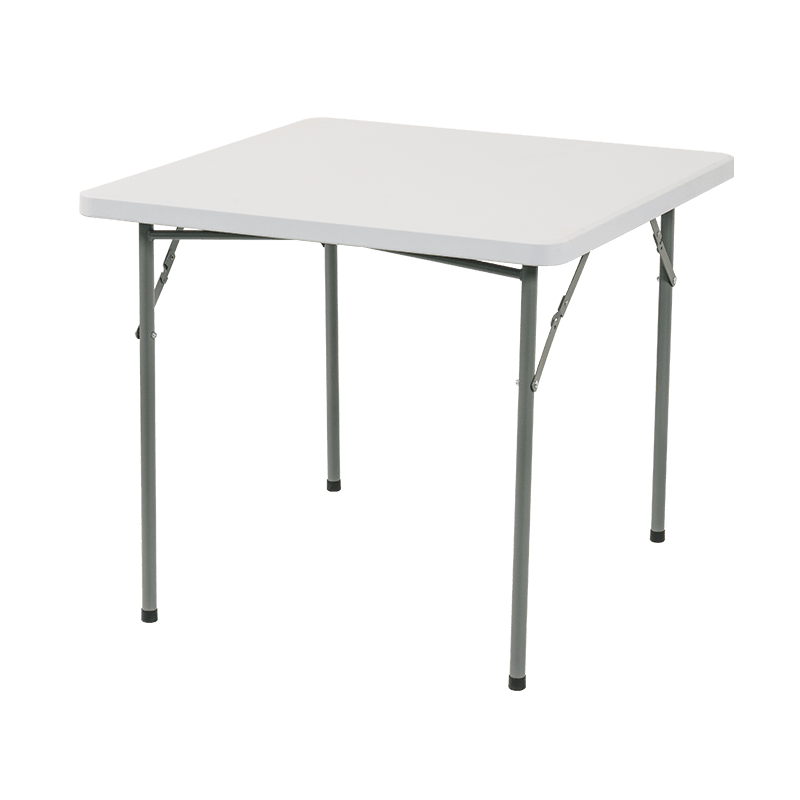
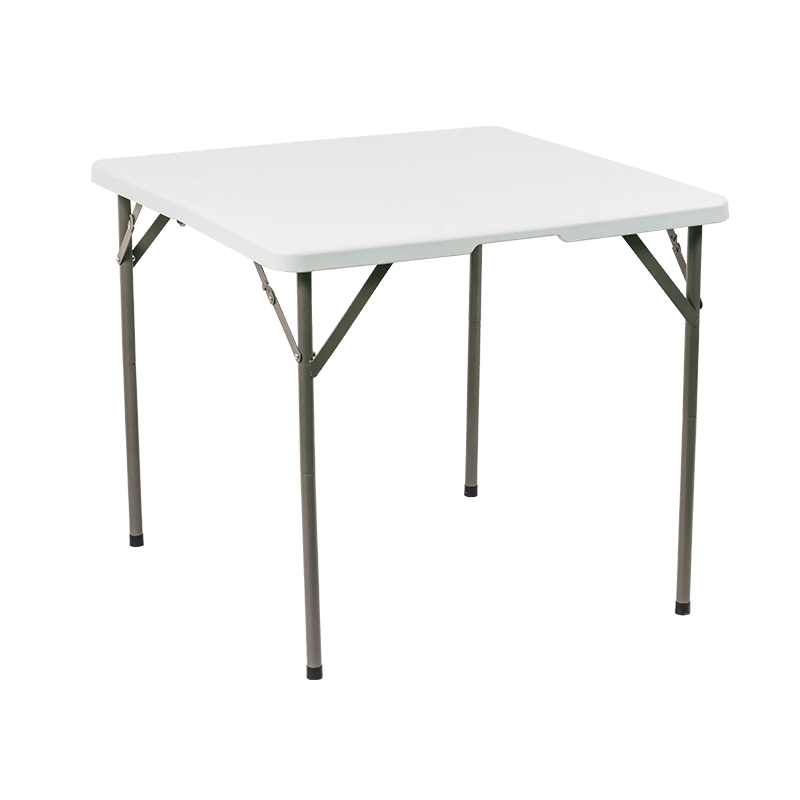
Standardi muovinen taitettava pöytä kestää 300–1 000 paunaa tasaisesti jakautuneen staattisen painon , riippuen sen rakennusasteesta. Aloitustason kotikäyttöön tarkoitettujen pöytien enimmäispaino on 150–250 paunaa, keskitason mallit painavat 300–500 paunaa, ja päivittäiseen tapahtuma- ja catering-käyttöön rakennetut kaupalliset pöydät ovat 500–1 000 paunaa. Kevyt kannettava taitettava pöytä Suunniteltu retkeilyyn tai retkeilyyn on täysin eri luokka ja kestää usein vain 55-220 lbs, koska se vaihtaa kantavuuden alhaiseen painoon ja pakattavuuteen.
Tämän oppaan loppuosassa on eritelty painoluokituksia pöytäluokkien mukaan, selitetään staattisen ja dynaamisen kuormituksen erot ja kerrotaan, mikä muuttuu, kun muovinen taittopöytä rakennetaan erityisesti ulkokäyttöön tai kannettavaan käyttöön.
Muovisen taitettavan pöydän painokapasiteetti rakennusluokan mukaan
Kaikki muoviset taittopöydät eivät ole saman standardin mukaisia, ja kantavuus on selkein rakennuslaadun indikaattori. Pöytälevyn paksuus, sisäinen vahvistus ja jalkojen letkun halkaisija skaalautuvat yhteen, kun laatu nousee.
Kolmen yleisen tason painoluokitukset
| Arvosana | Staattinen kuormitusluokitus | Pöytälevyn paksuus |
|---|---|---|
| Lähtötaso / asuinrakennus | 150-250 paunaa | 0,5-0,8 tuumaa |
| Keskiluokkainen | 300-500 paunaa | 0,75 - 1 tuumaa |
| Kaupallista laatua | 500-1000 paunaa | 1-1,25 tuumaa |
Jalkarakennevaaka pöytätasolla. Aloitustason taulukot käyttävät tyypillisesti Halkaisijaltaan 16-18 mm teräsputken jalat , kun taas kaupalliset pöydät nousevat 1,5 tuuman tai suurempi halkaisijaltaan teräsputki vahvistetuilla lukitussaranoilla, jotka on rakennettu kestämään tuhansia asennus- ja rikkoutumisjaksoja 10 vuoden aikana.
Staattinen kuormitus vs. dynaaminen kuormitus: Miksi nimellisnumero ei ole koko tarina
Muoviselle taittopöydälle painettu painokapasiteetti viittaa lähes aina staattinen kuorma: tasaisesti jakautunut paino, joka lepää liikkumattomana koko pinnalla . Tämä on erilainen, vaativampi skenaario kuin keskittynyt pistekuorma tai aktiivinen dynaaminen kuorma, kuten joku istuu, seisoo tai nojaa jollain pöydän osalla.
Oikean valmistajan spesifikaatioiden lukeminen
Yleinen kaupallinen pöytäspesifikaatio havainnollistaa eroa selvästi: 6 jalkaa kokoontaitettava pöytä, jonka paino on 300 lbs keskittynyt tai 1200 lbs tasaisesti jakautunut ei vahingossa tarjoa kahta erillistä kapasiteettia. Tasaisesti jakautunut luokitus jakaa kuorman koko pöytälevyn ja jalkarakenteen poikki, kun taas keskittynyt kuormitus, kuten kulmassa istuva henkilö, rasittaa yhtä pistettä paljon enemmän.
Käytännön nyrkkisääntönä on, että dynaamisia kuormia ja iskuja tulee käsitellä 2-3 kertaa stressaavampi kuin vastaava staattinen paino . Toisin sanoen 500 naulan staattiselle kuormitukselle mitoitettua pöytää tulisi käsitellä noin 200–250 lbs:n turvallisena työskentelykapasiteetina keskittyneissä pistekuormissa tai aktiivisessa käytössä, kuten joku, joka nojaa voimakkaasti toiseen reunaan.
- Levitä painavia esineitä koko pinnalle sen sijaan, että pinoa ne yhteen nurkkaan
- Älä koskaan käsittele painettua painoluokitusta turvallisena, jolla joku voi istua tai seistä, ellei pöytää ole nimenomaisesti luokiteltu kyseiseen käyttöön
- Varmista, että kaikki jalkojen lukot ovat täysin kiinni ennen pöydän lastaamista, koska lukitsematon jalka voi romahtaa reilusti alle nimelliskapasiteetin
Kuinka paljon painoa kannettava taitettava pöytä voi kestää
Retkeilyyn, takkuun tai reppuun rakennettu kannettava taittopöytä on erillinen tuoteluokka tavallisesta muovisesta juhlapöydästä, ja sillä on paljon pienempi painoarvo vastineeksi siirrettävyydestä. Ultrakevyet alumiinirunkoiset kannettavat pöydät kestävät yleensä 55-220 paunaa , paljon alle 300–1 000 lb:n alueen tavallisessa muovisessa taittopöydässä.
Paino vs. siirrettävyys kompromissi
| Taulukon tyyppi | Pöydän paino | Kuormituskapasiteetti |
|---|---|---|
| Ultrakevyt reppupöytä | 1-2 lbs | Kevyitä välipaloja, vain pienet varusteet |
| Roll-top alumiininen retkeilypöytä | 7-10 lbs | 55-66 paunaa |
| Isompi säädettävä retkeilypöytä | 10-20 lbs | Jopa 220 lbs |
| Normaali muovinen taitettava pöytä | 15-25 lbs | 300-750 paunaa |
Takeaway on yksinkertainen: jos ensisijainen tarve on painavien esineiden pitäminen, tavallinen muovinen taitettava pöytä ylittää kannettavan retkeilypöydän laajalla marginaalilla . Kannettavat pöydät myyvät tämän kapasiteetin murto-osaan painosta ja kokoon taitettuun kokoon, joka mahtuu reppuun tai auton tavaratilaan, joten ne ovat parempi valinta vain silloin, kun painon kantaminen on tärkeämpää kuin sen pitäminen.
Mitä etsiä muovisesta taitettavasta ulkopöydästä
An muovinen taitettava ulkopöytä kasvot stressit puhtaasti sisäpöytä ei koskaan näe: UV-altistus, lämpötilan vaihtelut ja mahdollinen seisova vesi jalkojen ympärillä. Materiaalivalinnat ja jalkojen rakenne vaikuttavat sekä siihen, kuinka hyvin nimellispaino kestää vuosien ajan ulkokäytössä.
Materiaalit ja jalat ulkokäyttöön
- HDPE (suuritiheyksinen polyeteeni) kestää UV-hajoamista eikä ime kosteutta säilyttäen rakenteellisen eheyden noin -40 °F - 120 °F välillä
- Polypropeeni on kevyempi ja halvempi, mutta muuttuu hauraaksi kylmällä säällä ja haalistuu nopeammin suorassa auringonpaisteessa, mikä voi heikentää pöytälevyä ajan myötä
- Jauhemaalatut teräsjalat ovat jäykkiä ja kustannustehokkaita, mutta ruostuvat, jos pinnoitelastut ja pöytä ovat seisovassa vedessä
- Alumiiniset jalat , noin 40 % kevyempi kuin teräksiset vastaavat, kestävät korroosiota luonnollisesti ja sopivat uima-altaan reuna-, meri- tai korkean kosteuden olosuhteisiin
- Jalan seinämän paksuus vähintään 1,2 mm teräkselle tai 1,5 mm alumiinille auttaa ylläpitämään vakautta kuormitettuna ulkona
Tavallisten ulkokäyttöisten muovisten taittopöytien staattinen painokapasiteetti on tyypillisesti 300-500 paunaa tasaisesti jakautuneena , joka kattaa suurimman osan ulkoilmajuhlista, tapahtumista ja piknikistä. Vuokralaivastoille tai päivittäiseen kaupalliseen ulkokäyttöön 500–1 000 naulaa painavaan kaupalliseen pöytään siirtyminen on lisäkustannusten arvoista, koska nämä pöydät pinoutuvat myös paremmin kuljetusvaunuihin ja kestävät enemmän asennusjaksoja.
Miksi jalkalukkomekanismi vaikuttaa todelliseen painokapasiteettiin
Pöydän painettu painoarvo olettaa, että jalat ovat täysin lukittuina avoimeen asentoon. Käytetyn lukkomekanismin tyypillä on suora vaikutus siihen, kuinka luotettavasti tämä luokitus säilyy vuosien käytön aikana , koska kulunut tai vioittunut lukko on yleisin syy, miksi taitettava pöytä romahtaa selvästi alle ilmoitetun kapasiteetin.
Yleiset lukkotyypit
- Metalliset nokkalukot: teräskannatin napsahtaa jalkaputken päälle, kun se on täysin ojennettuna, estäen jalkaa taittumasta kuormituksen alaisena; tämä on luotettavin malli ja standardi kaupallisissa pöydissä
- Tappi- ja jousilukot: jousikuormitettu tappi putoaa jalkarungon reikään; yleinen kevyemmillä pöydillä, riittävä kevyeen käyttöön, mutta alttiimpia taipumaan tai jousiväsymiselle ajan myötä
- Painovoiman liukulukot: Käytä pöydän omaa painoa pitämään jalkaa paikoillaan avaamisen jälkeen, mikä lisää vakautta ilman ylimääräisiä liikkuvia osia
Muovisia nokkalukkoja kannattaa välttää kaikilla pöydillä, joille odotetaan jatkuvaa käyttöä, koska ne halkeama toistuvien jaksojen jälkeen tavallaan täysmetalliset lukot eivät. Ennen kuin asetat taitettavan pöydän lähelle sen nimelliskapasiteettia, varmista, että jokainen jalkalukko on täysin napsahtanut tai napsahtanut paikalleen sen sijaan, että oletat sen olevan kiinni.
Kuinka vahvistaa pöydän painoarvo ennen ostamista
Valmistajat käyttävät erilaisia luokittelunimiä, joten lueteltua painokapasiteettia kannattaa verrata siihen, miten taulukko on todellisuudessa rakennettu, sen sijaan, että se otetaan nimellisarvolla pelkästä markkinointikopiosta.
Vahvistuksen tarkistuslista
- Etsi tietty painoluokitus tuotteen etiketistä tai teknisistä tiedoista, ei vain yleistä luokan nimeä, kuten "kaupallinen"
- Tarkista, onko luokitus listattu tasaisesti jakautuneeksi, keskittyneeksi vai molemmiksi, koska nämä luvut voivat erota kertoimella neljä
- Varmista, että taulukko vastaa BIFMA (Business and Institutional Furniture Manufacturer's Association) standardit, jotka määrittelevät yleiset lujuuden ja kestävyyden testausarvot
- Yhdistä käyttötarkoitus luokkaan: kevyt kotikäyttö lähtötason pöydille, toistuva ulkokäyttö tai tapahtumakäyttö keskitason tai kaupallisen tason pöydille
- Tarkista jalkalukon tyyppi ja suosi täysmetallisia nokkalukkoja, jos niitä käytetään säännöllisesti tai lastataan lähellä sen nimelliskapasiteettia
Pöydän todellisen rakennusluokan sovittaminen sen aiottuun käyttötarkoitukseen sen sijaan, että ostaisi vain hinnan perusteella, pitää muovisen taittopöydän suorituskyvyn nimelliskapasiteetillaan huomattavasti muutaman ensimmäisen käyttökerran jälkeen.
Esitetyt tuotteet Showcase